
How to stop condensation on windows in winter
Quick answer
Condensation forms when moist indoor air meets cold glass. Cut the moisture at source with extractor fans and shut doors, keep trickle vents open, dry washing in one shut room, and keep rooms steadily warm. A dehumidifier mops up what is left; it does not fix a broken fan or a leak.

Absorbers for Absorbing Moisture at Croppable Length | Draught Excluder Condensation for Kitchens Bedrooms Baby Room Home Student Room Hotel
Photographed listing — tagged buy buttons go to the retailer, not another article.

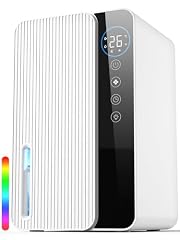

Six steps that work
- 1.Let the moisture out where you make it
Run the extractor fan while you cook or shower and for a while after. Shut the kitchen or bathroom door so the steam does not drift into colder rooms.
- 2.Keep trickle vents open
The small slot vents at the top of modern windows are there for winter. Open and unblocked, they let moist air out without the heat loss of an open window.
- 3.Dry washing outside, or in one shut room
One load put out about two litres of water in a Which? test. Indoors, use one small room with the door shut and a dehumidifier beside the airer, not a radiator.
- 4.Leave a gap behind furniture
A wardrobe or sofa pushed against an outside wall makes a cold, still pocket where condensation and mould start.
- 5.Keep rooms steadily warm
Cold glass and cold walls are where water condenses. A room heated a little all day stays above that point more easily than one heated hard and then left to go cold.
- 6.Wipe the glass in the morning
Water left on the frame soaks into seals and sills and feeds mould. A squeegee or cloth takes a minute.
Sources: UK government guidance, Understanding and addressing the health risks of damp and mould in the home (updated 1 April 2026); Which?, Can you use a dehumidifier to dry laundry? (15 October 2026).
Who should not ignore it
Streaming windows on their own are a nuisance. Left for weeks, the same moisture feeds damp and black mould, and the government guidance lists the people most at risk from it: anyone with asthma, COPD or another lung or heart condition, people with weakened immune systems, pregnant women, children, older people, and people who are housebound or bedbound. If that is your household, deal with the cause early and, if you rent, tell your landlord in writing.
When a dehumidifier is worth it
Look at the kit — then buy it

Reusable and Self Adhesive Window Moisture Absorbers | Absorbent Anti-Moisture Tape for Kitchen, Bedroom, Baby Room, Hotel
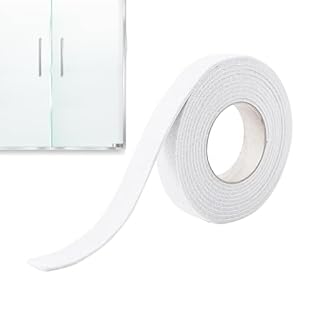
Easy Reusable and Self-adhesive Window Moisture Absorbers
We earn a commission if you buy through links on this page, at no extra cost to you. As an eBay Partner Network affiliate and an Amazon Associate, we earn from qualifying purchases. Links we earn from are marked “affiliate link”. Used and refurbished eBay listings are labelled as such. Full disclosure.
Buy one when you have done the steps above and the glass still streams, or when you have to dry washing indoors. For a heated home, a compressor model of 10–12 litres a day suits a flat or a single problem room; a cold room below about 15°C suits a desiccant model. The flat guide has the sizing table and what a rated unit really extracts at room temperature.
How the running costs are worked out
cost = power (kW) × hours × share of time at full power × unit rate
Example, a compact 160W compressor dehumidifier: 0.16kW × 1 hour × 100% × 26.32p/kWh = 4.2p.
Unit rate: 26.32p/kWh, the GB average Direct Debit electricity rate under the Ofgem price cap for 1 October to 31 December 2026. Standing charges are left out because you pay them whatever you switch on. Your own tariff may differ.
Dehumidifiers in stock →Best dehumidifier for a flat →Drying clothes indoors →Renting? Condensation evidence →
FAQ
Condensation on windows: common questions
- Why do my windows have condensation on the inside every morning?
- Warm, moist air from breathing, cooking, showers and washing meets the cold glass overnight and turns back to water. Glass is usually the coldest surface in the room, so it shows first.
- Does a dehumidifier stop condensation on windows?
- It reduces it by taking water out of the air before it reaches the glass. It works best alongside ventilation and steady heating, and it does not fix a cause such as a broken extractor fan or a leak.
- Is condensation on windows the landlord's responsibility?
- Government guidance for landlords says everyday activities such as cooking, washing and drying laundry are unavoidable, and that the root causes of damp and mould are usually building defects, poor ventilation, inadequate heating or poor energy efficiency. If condensation leads to damp or mould, report it to your landlord in writing.
- Should I open windows in winter to stop condensation?
- Briefly, after cooking or showering, or for a few minutes in the morning. Open trickle vents give steady ventilation all day with much less heat loss.
- How much does a dehumidifier cost to run for condensation?
- A compact compressor unit drawing about 160W costs 4.2p an hour at full power, or 27p for 8 hours at 80% of full power, at the Ofgem rate of the time.